
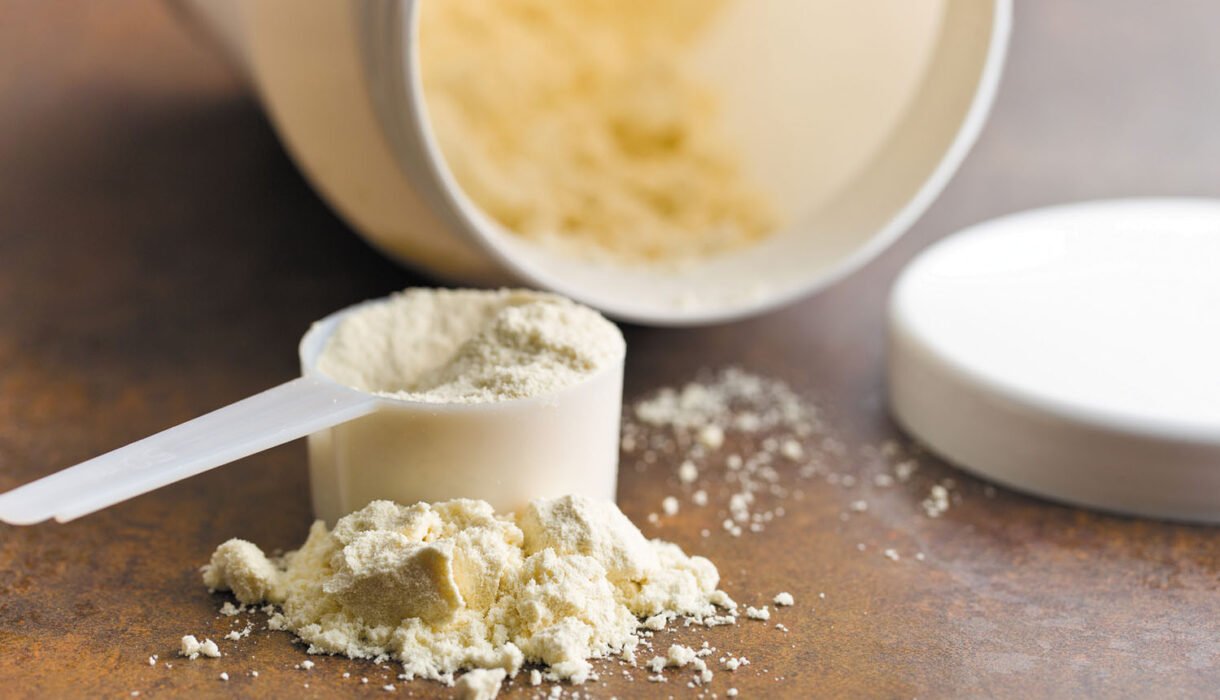

Building muscle in 2025 requires the right supplements for your specific goals. The market has evolved significantly, with new formulations designed to maximize muscle protein synthesis and recovery time. The most effective protein powders for muscle growth in 2025 are whey isolate, plant-based blends with complete amino acid profiles, and the newer hybrid formulas that combine multiple protein sources.

Protein timing and quality matter just as much as quantity. Research shows that consuming 20-30 grams of high-quality protein within the post-workout window optimizes muscle growth. The newest powders on the market feature improved digestion profiles, reducing bloating while enhancing absorption rates.
Key Takeaways
- Whey isolate, plant-based blends, and hybrid formulations offer the best protein quality for muscle synthesis in 2025.
- Consuming 20-30 grams of protein within the post-workout window maximizes muscle growth benefits.
- New protein powders feature improved sustainability credentials alongside enhanced bioavailability and taste profiles.
Why Protein Is Crucial for Muscle Growth

Protein serves as the fundamental building block for muscle development. When a person exercises, tiny tears form in muscle fibers, and protein provides the essential amino acids needed to repair and strengthen these tissues.
The human body cannot effectively build new muscle without adequate protein intake. Studies show that consuming protein within 30 minutes to 2 hours after workouts significantly enhances muscle recovery and growth.
Amino acids, particularly leucine, trigger a process called muscle protein synthesis. This biological mechanism is what allows muscles to grow larger and stronger over time.
Recommended Daily Protein Intake:
- Sedentary adults: 0.8g per kg of body weight
- Active individuals: 1.2-1.7g per kg of body weight
- Serious athletes: 1.6-2.2g per kg of body weight
Protein timing matters too. Spreading protein consumption throughout the day is more effective than consuming it all at once.
Without sufficient protein, the body may enter a catabolic state where it breaks down muscle tissue for energy. This works against fitness goals and can lead to muscle loss.
Quality protein sources contain all nine essential amino acids. These complete proteins include meat, eggs, dairy, and certain plant combinations.
For optimal results, protein intake should be paired with proper resistance training. Even the best protein won’t build muscle without the stimulus that exercise provides.
Types of Protein Powders Available in 2025
Protein powders have evolved significantly in 2025, offering more options for different dietary needs and fitness goals. The market now features improved formulations with better absorption rates and more targeted amino acid profiles.
Whey Protein Isolates
Whey protein isolates remain the gold standard for muscle building in 2025. These powders contain 90-95% protein with minimal lactose and fat, making them ideal for those seeking lean muscle gains.
The latest whey isolates feature enhanced bioavailability through enzyme technology that breaks down protein chains for faster absorption. Many brands now offer customized amino acid ratios tailored to specific training types.
Popular innovations include time-released whey isolates that provide a steady stream of amino acids over 4-6 hours rather than the traditional quick release. This helps maintain muscle protein synthesis for longer periods.
Most premium whey isolates in 2025 also contain added digestive enzymes like ProHydrolase and DigeZyme to reduce bloating and improve protein utilization by up to 20%.
Casein Protein
Casein protein has seen significant advancements in 2025. This slow-digesting protein now comes in more palatable formulations with improved texture and flavor profiles.
Micellar casein remains the highest quality option, with particles that form a gel in the stomach and release amino acids gradually over 7-8 hours. This makes it ideal for overnight recovery and preventing muscle breakdown during fasting periods.
Key 2025 Improvements:
- Hybrid casein formulas with added peptides for better absorption
- Reduced bitterness through new processing techniques
- Specialized night-time formulas with added sleep-enhancing ingredients like GABA and ZMA
Many athletes now use casein as part of nutrient timing strategies, taking advantage of its ability to provide sustained amino acid delivery when the body needs it most.
Plant-Based Proteins
Plant-based proteins have experienced the most innovation in 2025. No longer considered inferior to animal proteins, these formulations now offer complete amino acid profiles comparable to whey.
Pea and rice protein blends dominate the market, with newer additions like mung bean, pumpkin seed, and watermelon seed proteins providing unique amino acid profiles. These proteins often contain naturally occurring antioxidants and fiber.
The latest processing technologies have eliminated the gritty texture and earthy taste that plagued earlier plant proteins. Many brands now use fermentation techniques to increase protein bioavailability by up to 30%.
Top Plant Proteins of 2025:
| Protein Source | Protein Content | Notable Features |
|---|---|---|
| Pea-Rice Blend | 24-28g per serving | Complete amino profile, smooth texture |
| Fermented Soy | 25-30g per serving | Enhanced digestion, reduced antinutrients |
| Hemp-Pumpkin | 22-25g per serving | High in omega-3s, naturally occurring BCAAs |
Novel Protein Sources
The protein market of 2025 features several revolutionary sources that weren’t widely available in previous years. These innovative options offer unique benefits beyond traditional muscle building.
Insect-based proteins, particularly from cricket and mealworm sources, have gained mainstream acceptance. These proteins contain all nine essential amino acids plus beneficial chitin, which acts as a prebiotic fiber.
Algae-based proteins like spirulina and chlorella concentrates provide not only protein but also valuable micronutrients. These sustainable options require minimal resources to produce compared to traditional protein sources.
Lab-cultivated proteins represent the cutting edge of 2025’s market. These proteins are molecularly identical to animal proteins but created through precision fermentation, offering perfect amino acid scores without animal agriculture.
Fungal proteins from mycelium have emerged as a surprise favorite, offering meat-like texture and complete protein profiles while being highly sustainable.
Factors to Consider When Choosing a Protein Powder

Selecting the right protein powder involves evaluating several key metrics that directly impact your muscle-building results. The perfect protein powder balances nutritional quality with practical considerations for your daily routine.
Biological Value (BV)
Biological Value measures how efficiently your body can use the protein you consume. A higher BV means more of the protein gets utilized for muscle repair and growth rather than being excreted.
Whey protein typically scores highest with a BV of 104, while eggs follow closely at 100. Plant proteins like soy (74) and rice (59) score lower but still provide value.
The BV scale helps compare protein quality:
- Very High (100+): Whey, whey isolate
- High (90-100): Egg protein, milk protein
- Medium (70-90): Fish, beef, soy protein
- Lower (<70): Most other plant proteins
For maximum muscle growth, proteins with BV scores above 90 are generally recommended, especially for post-workout recovery.
Absorption Rates
Protein absorption speed matters for timing your nutrition around workouts. Different proteins enter your bloodstream at varying rates.
Fast-absorbing proteins:
- Whey protein isolate (30-60 minutes)
- Hydrolyzed whey (15-30 minutes)
Medium-absorbing proteins:
- Egg protein (1.5-3 hours)
- Whey concentrate (1-2 hours)
Slow-absorbing proteins:
- Casein (4-7 hours)
- Most plant proteins (2-3.5 hours)
Fast proteins work best immediately after workouts when muscles need rapid repair. Slow-digesting options like casein make excellent before-bed choices to provide steady amino acid release during sleep.
For all-day muscle protection, some athletes combine fast and slow proteins to maintain continuous amino acid levels in the bloodstream.
Complete Vs. Incomplete Proteins
A complete protein contains all nine essential amino acids your body cannot produce itself. This distinction significantly impacts muscle growth potential.
Complete protein sources:
- Whey
- Casein
- Egg
- Beef protein isolate
- Soy
Incomplete protein sources:
- Rice (low in lysine)
- Pea (low in methionine)
- Hemp (low in lysine)
Plant-based athletes often combine complementary plant proteins to create complete amino acid profiles. Popular combinations include:
- Rice + pea protein
- Hemp + pea protein
The latest protein formulations in 2025 often blend multiple plant sources to address these deficiencies, making plant options more viable for serious muscle building than in previous years.
Digestibility
Protein digestibility determines how much protein actually reaches your muscles without causing digestive discomfort. This factor varies significantly between individuals.
Whey isolate and hydrolyzed proteins typically cause the least digestive issues because lactose and other potential irritants are removed during processing.
Common digestibility concerns include:
- Bloating: Common with concentrate forms of whey
- Gas: Often associated with some plant proteins, especially soy
- Stomach cramping: Can occur with high-lactose proteins
Those with sensitive stomachs should consider:
- Highly filtered whey isolates
- Enzyme-enhanced formulas
- Hydrolyzed proteins (pre-digested)
Many newer formulations now include digestive enzymes like protease and lactase to improve tolerance and absorption rates.
Taste and Mixability
Even the most nutritionally perfect protein won’t help if you can’t consistently consume it due to poor taste or texture.
Taste considerations:
- Whey and casein typically offer the smoothest, most milkshake-like experience
- Unflavored options allow customization but often have slight inherent bitterness
- Plant proteins tend to have earthier profiles that may require more flavoring
Mixability factors:
- Isolates generally mix more easily than concentrates
- Casein proteins typically form thicker textures and may require blenders
- Hemp and some plant proteins often leave more sediment
Many 2025 formulations have improved significantly with advanced flavor systems.
These are my recommendations of two different kinds of protein from BioTrust with many different flavors, Enjoy!
Low Carb proteins:
2- Milk Chocolate Multi-Protein
3- Strawberry Banana Multi-Protein
4- Salted Caramel Multi-Protein
5- Vanilla Cream Multi-Protein
6- Chocolate Peanut Butter Multi-Protein
Grass-Fed Whey Isolate:
4- Chocolate Ice-Cream Protein
The Role of Amino Acid Profiles
Amino acids serve as the building blocks of protein and play a crucial role in muscle growth and recovery. Different protein powders contain varying amino acid profiles that directly impact their effectiveness for muscle development.
Essential Amino Acids
Essential amino acids (EAAs) cannot be produced by the body and must come from food or supplements. There are nine EAAs that humans need: histidine, isoleucine, leucine, lysine, methionine, phenylalanine, threonine, tryptophan, and valine.
High-quality protein powders in 2025 contain all nine EAAs in adequate amounts. Whey protein isolate typically offers one of the most complete EAA profiles, which explains its popularity among athletes.
When comparing protein powders, consumers should check the EAA content per serving. A protein with at least 40% of its content as EAAs generally supports optimal muscle protein synthesis.
Plant-based proteins sometimes lack certain EAAs, particularly lysine in rice protein and methionine in pea protein. Many manufacturers now blend different plant sources to create complete amino acid profiles that rival animal-based options.
Branched-Chain Amino Acids (BCAAs)
BCAAs include leucine, isoleucine, and valine – three essential amino acids with a unique molecular structure. These specific amino acids make up approximately 35% of muscle protein.
Leucine stands out as particularly important for triggering muscle protein synthesis through the mTOR pathway. Research suggests a threshold of 2-3g of leucine per serving to maximize muscle-building potential.
The most effective protein powders in 2025 maintain a BCAA ratio of 2:1:1 (leucine:isoleucine). This ratio has been shown to support optimal recovery and growth.
Top protein powders by BCAA content (per 25g serving):
- Premium whey isolates: 5.5-6g
- Casein protein: 4.8-5.5g
- Pea protein: 4.3-5g
- Brown rice protein: 3.8-4.5g
Supplementing with additional BCAAs becomes less necessary when using protein powders with strong amino acid profiles.
Amino Acid Spiking in Protein Powders
Amino acid spiking refers to the practice of adding inexpensive amino acids to protein powder to increase the nitrogen content without improving quality. This deceptive technique artificially inflates protein content on nutrition labels.
Common amino acids used for spiking include glycine, taurine, and creatine. While these compounds have benefits, they don’t contribute to muscle protein synthesis like complete proteins do.
In 2025, reputable manufacturers combat this practice by providing transparent amino acid breakdowns. Look for brands that disclose their full amino acid profile and use third-party testing.
Warning signs of potential spiking include:
- Unusually low price points
- Vague protein sources listed as “protein blend”
- Missing information about specific amino acid content
- Extremely high protein-to-weight ratios
Many certification programs now verify protein quality by testing for amino acid spiking, giving consumers more confidence in their purchases.
Optimal Dosage and Timing for Muscle Growth
Protein intake timing and amount are crucial factors for maximizing muscle growth. Research shows that both total daily protein consumption and strategic timing around workouts significantly impact results.
Post-Workout Anabolic Window
The post-workout period offers a prime opportunity for muscle protein synthesis. Consuming protein within 30-60 minutes after training can help jumpstart recovery.
Ideal post-workout protein amounts:
- 20-40g for most adults
- 0.25-0.3g per kg of body weight
- Higher amounts (up to 40g) for larger individuals
Whey protein is particularly effective during this window due to its rapid absorption rate. Research suggests the anabolic window may extend longer than previously thought—up to 4-6 hours post-exercise.
Combining protein with carbohydrates after intensive training can enhance glycogen replenishment and increase insulin response, potentially improving protein uptake.
Daily Protein Intake Recommendations
Total daily protein intake matters more than perfect timing for long-term muscle growth.
Recommended daily protein intake for muscle growth:
| Training Level | Daily Protein (g/kg) |
|---|---|
| Recreational | 1.2-1.6 |
| Intermediate | 1.6-2.0 |
| Advanced | 2.0-2.4 |
| Cutting phase | 2.3-3.1 |
Spreading protein intake across 4-5 meals creates optimal conditions for muscle growth. Each meal should contain 20-40g of high-quality protein.
The body can process more protein than once thought—research shows benefits at higher intakes than the old standard of 30g per meal.
Dosage for Different Body Types and Goals
Body type and specific goals influence optimal protein requirements.
Ectomorphs (naturally thin) often need higher protein intake—around 2.0-2.4g/kg daily—to support muscle growth due to faster metabolism.
Mesomorphs typically respond well to moderate amounts (1.6-2.0g/kg) with consistent timing.
Endomorphs may benefit from slightly lower protein (1.4-1.8g/kg) with careful attention to total calorie intake.
For bulking phases, increasing protein by 10-15% above maintenance levels supports new muscle tissue development.
During cutting phases, higher protein (up to 2.3-3.1g/kg) helps preserve lean mass while in a caloric deficit.
Adjusting protein intake based on training intensity is also important—more intense periods require proportionally more protein.
Safety and Potential Side Effects
Protein powders are generally safe for most people, but they can cause unwanted reactions in some users. Understanding potential risks helps consumers make informed choices about which products are right for their bodies.
Allergies and Sensitivities
Many protein powders contain common allergens that can trigger reactions in sensitive individuals. Whey and casein proteins come from dairy and may cause problems for people with lactose intolerance or milk allergies. Symptoms can range from mild digestive discomfort to severe allergic responses.
Plant-based options aren’t automatically safer. Soy protein may trigger reactions in those with soy allergies. Pea protein rarely causes allergies but some users report digestive discomfort when first using it.
Always check ingredient labels carefully. Many products contain hidden ingredients like artificial sweeteners, preservatives, or gluten that might cause reactions. Manufacturers in 2025 have improved allergen labeling, but consumers with severe allergies should look for products specifically certified allergen-free.
Kidney and Liver Health
High protein intake deserves careful consideration for those with existing kidney or liver conditions. Healthy individuals typically process protein efficiently, but those with impaired organ function may experience complications.
Key considerations for kidney health:
- Excessive protein can increase workload on kidneys
- Hydration becomes more important with high protein intake
- Pre-existing kidney disease requires medical supervision
The current research indicates that moderate protein supplementation (up to 2g per kg of body weight daily) shows no negative effects in healthy individuals. However, those with kidney disease should consult healthcare providers before using protein supplements.
Liver function rarely suffers from protein supplementation alone. The greater concern involves additives, contaminants, or extremely high doses that might stress liver function over time.
Interactions With Other Supplements
Protein powders can interact with other supplements and medications in ways consumers should understand. These interactions rarely cause emergencies but may reduce effectiveness or cause discomfort.
Calcium supplements may bind with certain proteins, reducing absorption of both nutrients. Taking them at different times can prevent this issue.
Fiber supplements combined with protein powders sometimes cause bloating or constipation. Spacing them apart by 1-2 hours often resolves this problem.
Iron absorption might decrease when consumed with certain protein products. This matters particularly for those managing anemia.
Common interaction concerns:
- Some medications require taking on empty stomach
- Certain antibiotics may bind with protein components
- Pre-workout supplements with stimulants can increase digestive distress when combined with protein
The cleanest, third-party tested protein products generally cause fewer interaction issues than those with numerous additives and proprietary blends.
Reviews of Top-Rated Protein Powders in 2025
Protein powder users and nutrition experts have identified several standout products this year based on effectiveness, taste, and ingredient quality. These reviews highlight both consumer experiences and professional assessments of the most popular options.
Consumer Feedback
Optimum Nutrition Gold Standard Whey continues to lead consumer ratings in 2025, with users reporting significant muscle gains when combined with regular training. Many reviewers praise its mixability and diverse flavor options, particularly the new Coconut Cold Brew variety.
Plant-based athletes favor Vega Sport Premium, citing complete amino acid profiles and better digestion compared to previous formulations. One frequent comment mentions its improved texture:
“Finally a plant protein that doesn’t feel like drinking sand.” – Fitness enthusiast from Colorado
Ghost Whey has gained popularity for its transparent labeling and innovative flavors. Users particularly appreciate the Cereal Milk and Fruity Cereal collaborations.
Dymatize ISO100 receives high marks for fast absorption after workouts. Many users with sensitive stomachs report fewer digestive issues compared to other brands.
Expert Analysis
Nutritionists and trainers consistently recommend Transparent Labs Whey Protein Isolate for its purity and minimal additives. Laboratory testing confirms its 28g protein per serving claim with negligible filler ingredients.
The protein efficiency ratio (PER) ratings for 2025’s top products:
| Brand | PER Score | Protein per Serving |
|---|---|---|
| Transparent Labs | 3.6 | 28g |
| Optimum Nutrition | 3.4 | 24g |
| Dymatize ISO100 | 3.3 | 25g |
| Ghost Whey | 3.1 | 25g |
| Vega Sport | 2.9 | 30g |
Sports dietitians highlight NOW Sports Whey Protein Isolate for athletes on strict budgets. It delivers comparable quality to premium brands at roughly 30% lower cost.
For recovery support, experts point to Ascent Native Fuel’s rapid absorption properties and naturally occurring digestive enzymes.
Sustainability and Environmental Impact of Protein Production
The protein supplement industry faces increasing scrutiny over its environmental impact. Consumers now consider not just effectiveness but also how sustainably their protein powders are produced.
Sourcing of Ingredients
Plant-based proteins generally have a lower environmental impact than animal-derived options. Pea protein requires less water and land compared to whey, while producing fewer greenhouse gas emissions. Companies like Naked Nutrition and Form Nutrition have pioneered organic farming practices that avoid pesticides and synthetic fertilizers.
Some brands now use regenerative agriculture techniques that actually improve soil health. These methods include crop rotation and reduced tillage.
Cricket protein has emerged as a surprisingly sustainable alternative, requiring minimal resources. It produces 100 times less greenhouse gases than beef protein.
Many manufacturers have begun implementing transparent supply chains. This allows consumers to trace ingredients back to their sources.
Environmental Footprint of Protein Manufacturing
Processing methods significantly affect a protein powder’s environmental impact. Cold-pressing techniques use 70% less energy than heat-intensive methods commonly used for whey isolation.
Packaging innovations include:
- Biodegradable pouches made from plant materials
- Recyclable paper containers
- Compostable scoops
Water usage remains a concern in protein manufacturing. The production of one pound of whey protein requires approximately 1,000 gallons of water, while rice protein needs just 250 gallons.
Carbon-neutral certifications have become a competitive advantage. Brands like Vega and Orgain offset their emissions through verified carbon credit programs and renewable energy investments.
Transportation emissions are being reduced through localized production facilities that minimize shipping distances.
Latest Research and Innovations in Protein Supplementation
Scientists have made exciting discoveries in protein supplementation during 2024-2025. Research now shows that timing protein intake around workouts may be less critical than previously thought. What matters most is reaching your total daily protein goals.
Bioavailability has become a major focus in newer protein formulations. Companies are using enzyme technology to break down proteins into smaller peptides that absorb faster and more completely in the body.
Plant-based innovations have accelerated dramatically. New extraction methods have improved the texture and amino acid profiles of pea, hemp, and rice proteins, making them more comparable to whey.
Notable 2025 Innovations:
- Time-released protein blends that provide amino acids over 8+ hours
- Functional mushroom-infused protein powders with immunity benefits
- Personalized protein formulas based on genetic testing
- Eco-friendly packaging and carbon-neutral production processes
Research from Stanford University found that protein powders with added digestive enzymes increased amino acid absorption by 23% compared to standard formulations.
Sports scientists are now exploring “protein stacking” – combining different protein sources to maximize muscle protein synthesis. Studies suggest a mix of fast-acting whey with slower-releasing casein and plant proteins may optimize muscle growth.
Smart technology has entered the protein market too. Several brands now offer QR codes linking to apps that track your protein intake and suggest optimal dosing based on your workout intensity and recovery needs.
How to Incorporate Protein Powders Into a Balanced Diet
Protein powders work best as supplements to a healthy diet, not replacements for whole foods. The recommended daily protein intake ranges from 0.8g to 2.2g per kilogram of body weight, depending on activity level and fitness goals.
Morning is an excellent time to add protein powder to your routine. Mix it into oatmeal, smoothies, or yogurt for a nutrient-dense breakfast that keeps you full longer.
Post-workout consumption is another strategic time for protein intake. The body absorbs nutrients more efficiently within 30-45 minutes after exercise, making this an ideal window for protein supplementation.
Protein powders can also enhance regular meals. Try these simple ideas:
- Add unflavored protein to soups or sauces
- Mix chocolate protein into baking recipes
- Blend vanilla protein into pancake batter
- Stir protein into coffee for a protein-rich latte
Balance is key when using protein supplements. A well-rounded diet should still include:
| Food Group | Benefits |
|---|---|
| Lean meats | Complete proteins, iron, B vitamins |
| Fruits & vegetables | Fiber, vitamins, antioxidants |
| Whole grains | Complex carbs, energy, fiber |
| Healthy fats | Hormone production, nutrient absorption |
Too much protein can strain kidneys and cause dehydration. Always drink plenty of water when increasing protein intake, especially when using concentrated supplements.
”FYI… Some of these links may be commissionable! That does nnot change the price for you, It jist means I get a couple of cents as a thank you for introducing you to the product.”